
Success is easy. Legacy is difficult.
Most founders and operators spend their careers chasing the temporary high of success. They define their worth by revenue metrics, quarterly growth targets, industry awards, and social proof. They measure their brand’s health by transaction volume and immediate market impact. But success is fleeting; it is a point in time, and it rarely survives the presence of the visionary who built it.
To move past success and build an enduring legacy, you must stop focusing on immediate impact and start obsessing over independent, systemic longevity.
The Synthesized Organism
Legacy is the result of architectural completion.
The blogs we have laid out in this cluster—decoding your aesthetic, codifying your data, firing yourself as operator, architecting the frictionless ecosystem, and controlling your proximity—are not disparate strategies. They are the interdependent columns that support an enduring structure.
An architecture of legacy ensures that your vision doesn’t just inform the business; it is the business.
When you successfully decode your high-value aesthetic (Blog 1), you encode your foundational values into a visual language that outlasts any single transaction. When you weaponize your data (Blog 8), you convert your personal intuition into a proprietary asset that guarantees quality without your direct supervision. When you architect the frictionless ecosystem (Blog 6), you create a standard of operation so undeniable that your clients will stay not because they like you, but because the ecosystem you built is superior to any other environment they could enter.
Shift Your Paradigm: Influence Over Impact
Success focuses on impact—the visible ripple on the surface of the market. Legacy focuses on influence—the fundamental shift in the paradigm itself.
Legacy is achieved when your methodology, your standards, and your operational standards are adopted by the market as the new baseline. It is when LUME is no longer just a consultancy, but the accepted standard for real-world growth playbooks.
Stop competing on the features of your service and start competing on the definition of your environment. Building a truly frictionless organism requires taking difficult, high-level structural risks that temporary success seekers avoid. But it is only in that complexity that true market authority is built.
The Final Measure
The ultimate test of whether you are building success or legacy is simple: Can the ecosystem you built operate at or above its current caliber without your direct intervention for 12 months?
If you are still necessary for daily operations, high-level closing, or client strategy, you are just an expert operator. Your worth is capped, and your brand is temporary.
Legacy is built when you, as the architect, become the most expendable node in the ecosystem. Your work is completed not when you are constantly active, but when your systems, your data, your architecture, and your proximity network have become a unified, self-sustaining organism.
Stop trying to work harder to be successful. Commit to the difficult architecture of legacy. Fire yourself from the operator role one final time, clear the noise, and step into the pure architecture of your enduring vision. Cast a light so clear and so powerful that it moves the market standard itself.
We have explored the architecture of high-value scale. If you are ready to begin building your legacy, the path is clear. Connect with LUME Project.
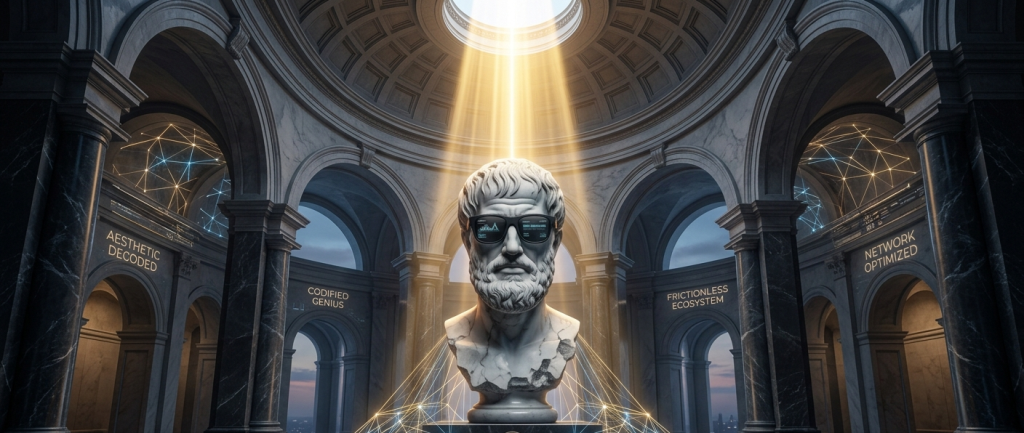
Cluster Summary Image
This image synthesizes the entire cluster, visually showing the culmination of aesthetic, data, and structure into a grand, enduring legacy vision.Here is the draft for the next (and potentially final) blog post in your series.
The Architecture of Enduring Legacy: Moving Beyond the Temporary High of Success
Success is easy. Legacy is difficult.
Most founders and operators spend their careers chasing the temporary high of success. They define their worth by revenue metrics, quarterly growth targets, industry awards, and social proof. They measure their brand’s health by transaction volume and immediate market impact. But success is fleeting; it is a point in time, and it rarely survives the presence of the visionary who built it.
To move past success and build an enduring legacy, you must stop focusing on immediate impact and start obsessing over independent, systemic longevity.
The Synthesized Organism
Legacy is the result of architectural completion.
The blogs we have laid out in this cluster—decoding your aesthetic, codifying your data, firing yourself as operator, architecting the frictionless ecosystem, and controlling your proximity—are not disparate strategies. They are the interdependent columns that support an enduring structure.
An architecture of legacy ensures that your vision doesn’t just inform the business; it is the business.
When you successfully decode your high-value aesthetic (Blog 1), you encode your foundational values into a visual language that outlasts any single transaction. When you weaponize your data (Blog 8), you convert your personal intuition into a proprietary asset that guarantees quality without your direct supervision. When you architect the frictionless ecosystem (Blog 6), you create a standard of operation so undeniable that your clients will stay not because they like you, but because the ecosystem you built is superior to any other environment they could enter.
Shift Your Paradigm: Influence Over Impact
Success focuses on impact—the visible ripple on the surface of the market. Legacy focuses on influence—the fundamental shift in the paradigm itself.
Legacy is achieved when your methodology, your standards, and your operational standards are adopted by the market as the new baseline. It is when LUME is no longer just a consultancy, but the accepted standard for real-world growth playbooks.
Stop competing on the features of your service and start competing on the definition of your environment. Building a truly frictionless organism requires taking difficult, high-level structural risks that temporary success seekers avoid. But it is only in that complexity that true market authority is built.
The Final Measure
The ultimate test of whether you are building success or legacy is simple: Can the ecosystem you built operate at or above its current caliber without your direct intervention for 12 months?
If you are still necessary for daily operations, high-level closing, or client strategy, you are just an expert operator. Your worth is capped, and your brand is temporary.
Legacy is built when you, as the architect, become the most expendable node in the ecosystem. Your work is completed not when you are constantly active, but when your systems, your data, your architecture, and your proximity network have become a unified, self-sustaining organism.
Stop trying to work harder to be successful. Commit to the difficult architecture of legacy. Fire yourself from the operator role one final time, clear the noise, and step into the pure architecture of your enduring vision. Cast a light so clear and so powerful that it moves the market standard itself.
We have explored the architecture of high-value scale. If you are ready to begin building your legacy, the path is clear. Connect with LUME Project.